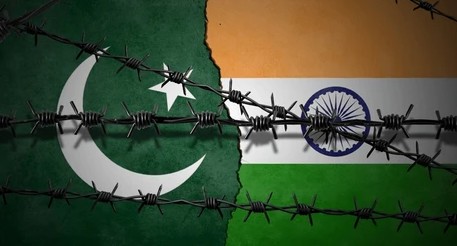
Crisis Reversal: How Pakistan Outmaneuvered India on the Global Stage
The latest military escalation between India and Pakistan has not only quieted guns through a swiftly arranged ceasefire but also left significant political ripples on both sides of the border.
One of the most unexpected outcomes has been a reputational resurgence for Pakistan’s embattled establishment. The crisis has, ironically, allowed it to strengthen its position at home—turning a period of domestic turbulence into a moment of strategic consolidation.
India, in contrast, finds itself more diplomatically isolated than anticipated. Its forceful response—aimed at highlighting Pakistan’s alleged role in cross-border terrorism and asserting regional leadership—ultimately backfired, failing to garner strong international backing.
Before these hostilities, Pakistan’s powerful institutions were under growing scrutiny, accused of manipulating the February 2024 elections. Despite institutional pressure, candidates linked to former PM Imran Khan’s PTI emerged as a political force through independent victories, channeling significant public dissent.
A fragile coalition followed, sparking mass protests and legal challenges. The country’s establishment seemed to be on shaky ground—until the brutal attack in Pahalgam changed the narrative.
India retaliated quickly, blaming Pakistan without conclusive proof. However, its overt military response was seen by many foreign observers as excessive and lacking in diplomatic nuance. Rather than rallying international support, India’s strategy fell flat.
In comparison, Pakistan crafted a calm, measured narrative, emphasizing defense and the desire for peace. It projected itself as the more responsible actor, a portrayal that gained traction internationally—particularly among global powers wary of any escalation between nuclear-armed states.
Key players like the U.S., EU, and Gulf nations responded with generic calls for calm, drawing moral equivalence that diluted India’s arguments. Meanwhile, China quietly leveraged the situation to promote stability, all while showcasing its growing military alignment with Islamabad.
Despite India’s behind-the-scenes diplomatic efforts, the global conversation shifted—from the terrorism in Pahalgam to fears of a broader regional conflict. This reframing undermined India’s core message and handed Pakistan a strategic advantage without aggressive posturing.
The episode marked a turning point within Pakistan too. The military regained center stage, casting itself as the guardian of national unity. The ceasefire was celebrated internally as a triumph of diplomacy and restraint, sidelining earlier controversies around political interference.
Ultimately, India’s attempt to use the attack as diplomatic leverage misfired. It turned a security breach into an uncontrolled regional showdown, losing control of the global narrative in the process.
While the guns are silent for now, the episode underscores a deeper truth: in South Asia’s volatile landscape, perception and diplomacy are as critical as military might—and this time, Pakistan navigated that balance with unexpected deftness.